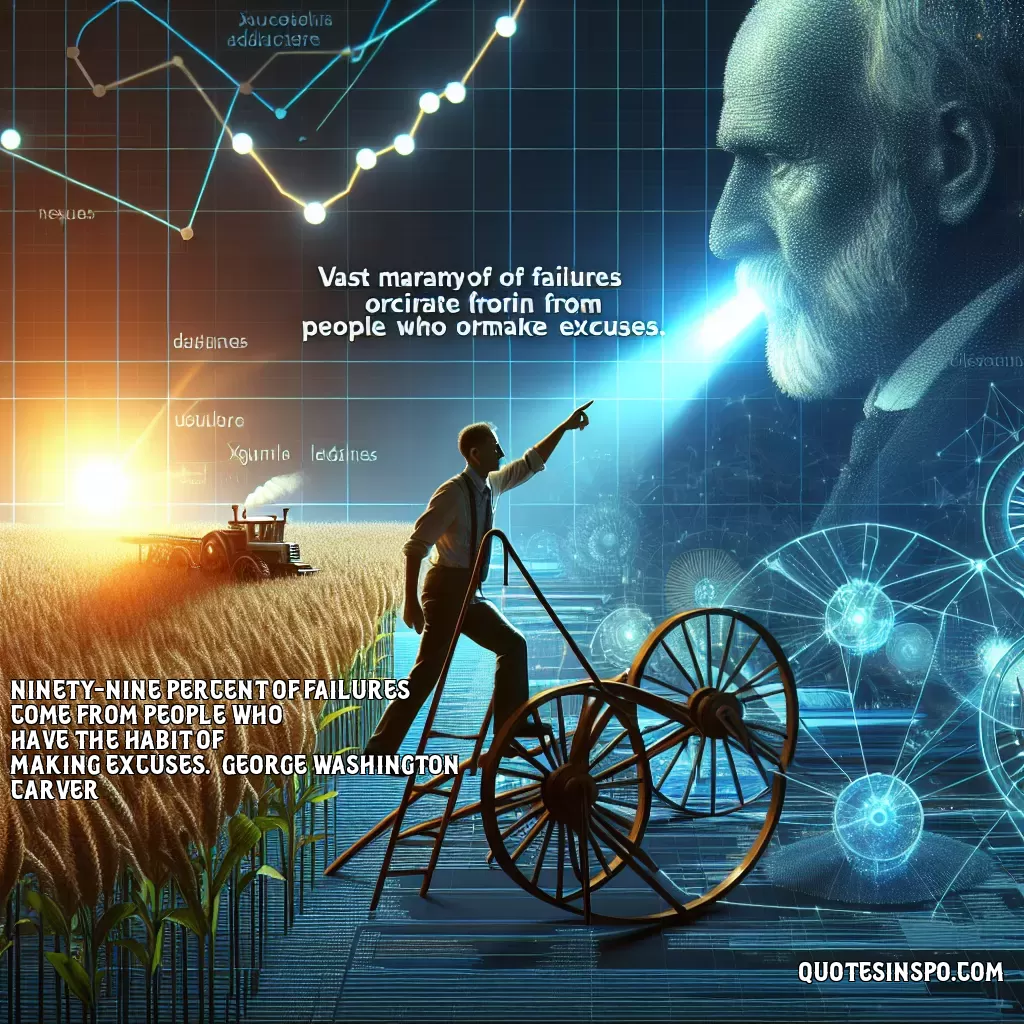
About George Washington Carver
George Washington Carver, renowned for his groundbreaking work in agriculture and botany, also made significant contributions to literature, particularly in the realm of scientific writing and educational texts. While not primarily recognized as a traditional author, Carver's publications focused on agricultural innovations and sustainable farming practices. His works are characterized by their clarity, practicality, and a deep commitment to improving the lives of farmers, particularly in the Southern United States.
Carver's writing style is straightforward and informative, reflecting his dedication to education and empowerment through knowledge. Readers appreciate his ability to translate complex scientific concepts into accessible information that could be easily understood and applied by the average person. His pamphlets and bulletins, such as those on crop rotation and the uses of peanuts, are celebrated for their practical advice and have had a lasting impact on agricultural practices.
Carver's legacy in literature is marked by his ability to inspire and educate, making significant contributions to both science and society. His works continue to be a valuable resource for those interested in sustainable agriculture and the history of scientific innovation.