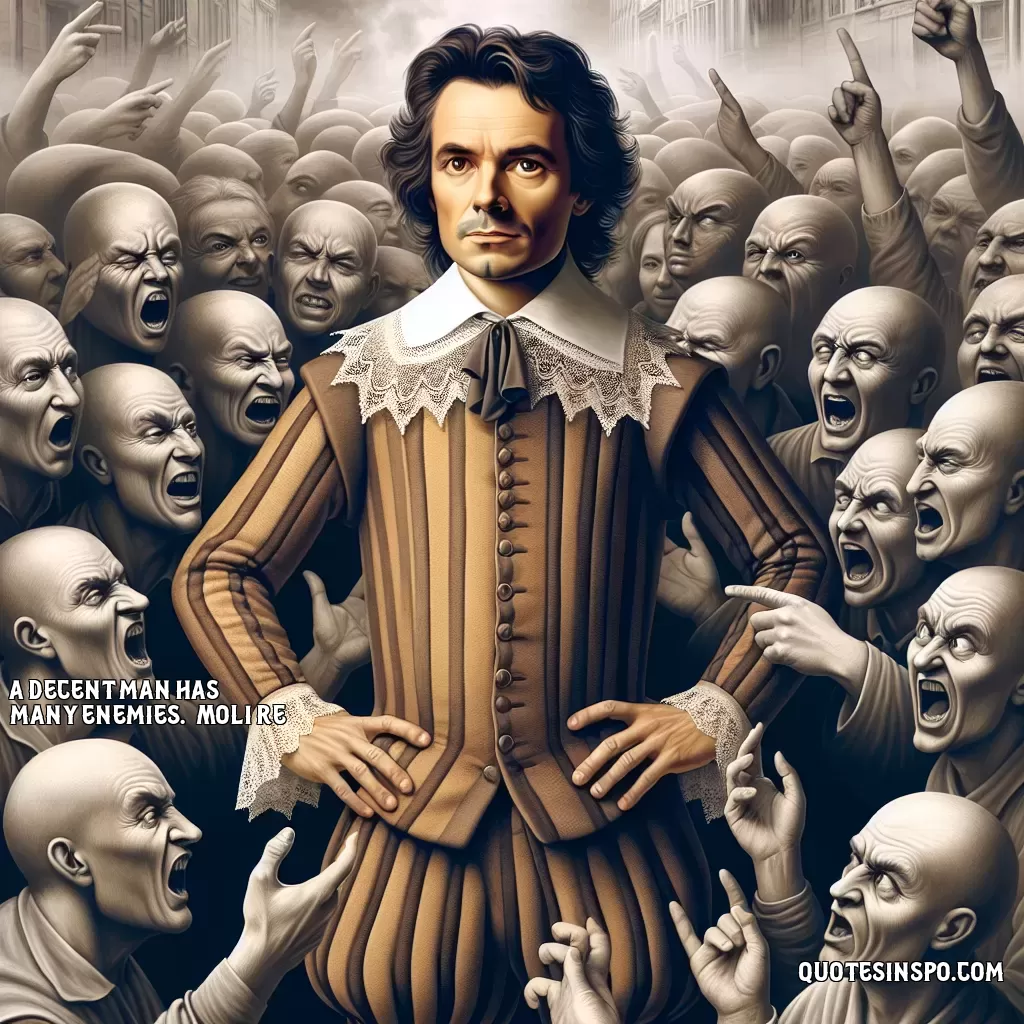
About Molière
Molière, born Jean-Baptiste Poquelin in 1622, remains a towering figure in the world of comedic literature. Renowned for his sharp wit and keen observations of human nature, Molière's works primarily belong to the genre of comedy and satire. His plays are celebrated for their clever dialogue, intricate plots, and the masterful way they expose the follies and pretensions of society.
Molière's writing style is characterized by its clarity and humor, often employing farce and slapstick to entertain while simultaneously offering incisive social commentary. His ability to blend humor with critique has made plays like "Tartuffe," "The Misanthrope," and "The Imaginary Invalid" enduring classics that continue to resonate with audiences today.
Readers and theatergoers appreciate Molière for his ability to capture the essence of human behavior, often highlighting the absurdities of social norms and the hypocrisy of the elite. His works are not just comedic escapades; they are profound explorations of societal dynamics, delivered with a lightness that makes them both accessible and thought-provoking. Molière's legacy endures as a testament to the power of comedy to reflect and challenge the world around us.